Who Buys a Restaurant or Bar
- Another operator with a second location in mindWants a proven concept and a lease already in place.
- Experienced chef or manager turned ownerKnows the work and needs a business that does not depend on the seller behind the line.
- Hospitality groupLooks for steady earnings it can fold into a bigger set of restaurants.
What the Buyer Is Paying For
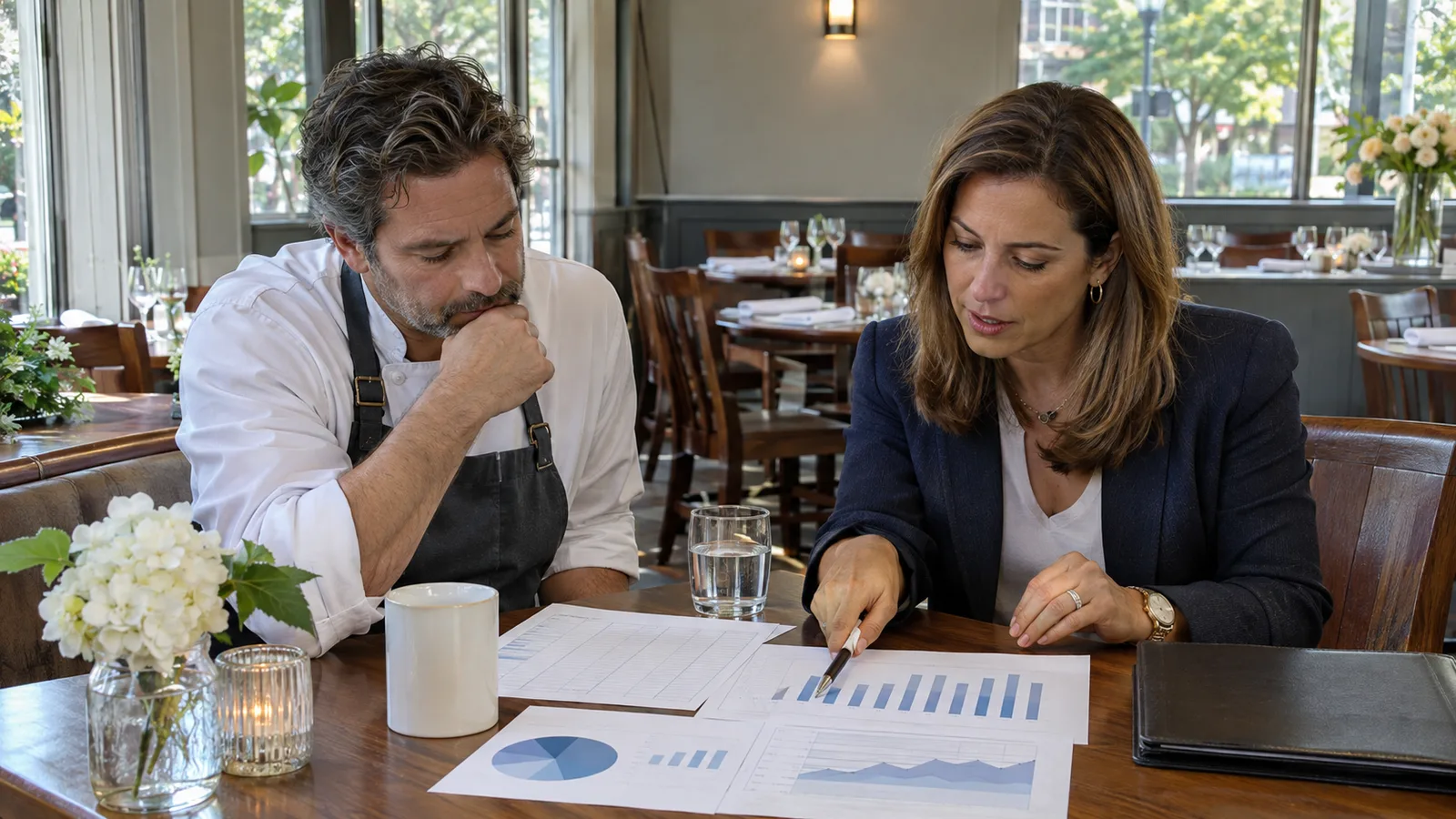
Buyers value a restaurant on the cash left after one working owner is paid, then apply a multiple. Most Main Street companies sell for about two to three times that cash flow.
A packed dining room does not prove profit. Food cost, labor and rent decide what is left, so buyers read the monthly statements before they ever taste the food.
Cash Counts Only When It Is Recorded
Income that never reached the books is not part of the price. Hiding cash to save on taxes can cost several times that amount in lost sale value at a two to three times multiple.
Lenders also want to see sales in the tax returns, since a bank cannot finance money it cannot find.
The Lease and the Liquor License
A restaurant sale usually depends on two outside approvals. The landlord has to accept the buyer, and a bar needs the state to approve any license change before the buyer can pour.
The liquor license can run longer than the rest of the deal, so start early. Our guide on the liquor license transfer explains the steps.
How a Deal Is Built
Most restaurant sales are asset deals. The buyer takes equipment, the name, recipes and the lease, and the seller usually keeps cash and pays off debts at closing.
Expect a request for a few weeks of training. Offer less than the buyer asks and trade extra time for price if needed.
Getting Ready
Reconcile your books, update the equipment list and make sure staff can run a shift without you. Read how a broker handles confidentiality, check your lease, then request a valuation.