Who Buys a Food Distributor
- Larger distributorWants more routes and customers to improve truck utilization.
- Private investor groupLooks for steady earnings and a management team that stays.
- Operations leader turned ownerKnows the routes and suppliers and wants to run the business they already manage.
What the Buyer Is Paying For
Distribution buyers study gross margin, delivery cost per stop and customer retention. A distributor that earns steady cash flow after a fair salary for the manager draws serious interest.
Most Main Street companies sell for about two to three times cash flow, with larger firms priced on earnings after a market salary for the owner.
Inventory and Cash
Heavy inventory relative to earnings can break bank financing. Right size it before listing and keep counts current, since buyers may require a hard count before closing.
Customers and Suppliers
If a few customers make up a large share of sales, buyers discount the price by about that share. They also check supplier terms, since a key vendor who can walk away is a risk.
Fleet and Routes
Trucks, refrigeration units and driver records get checked. Keep maintenance logs, titles and insurance in one folder.
Why Route Density Matters
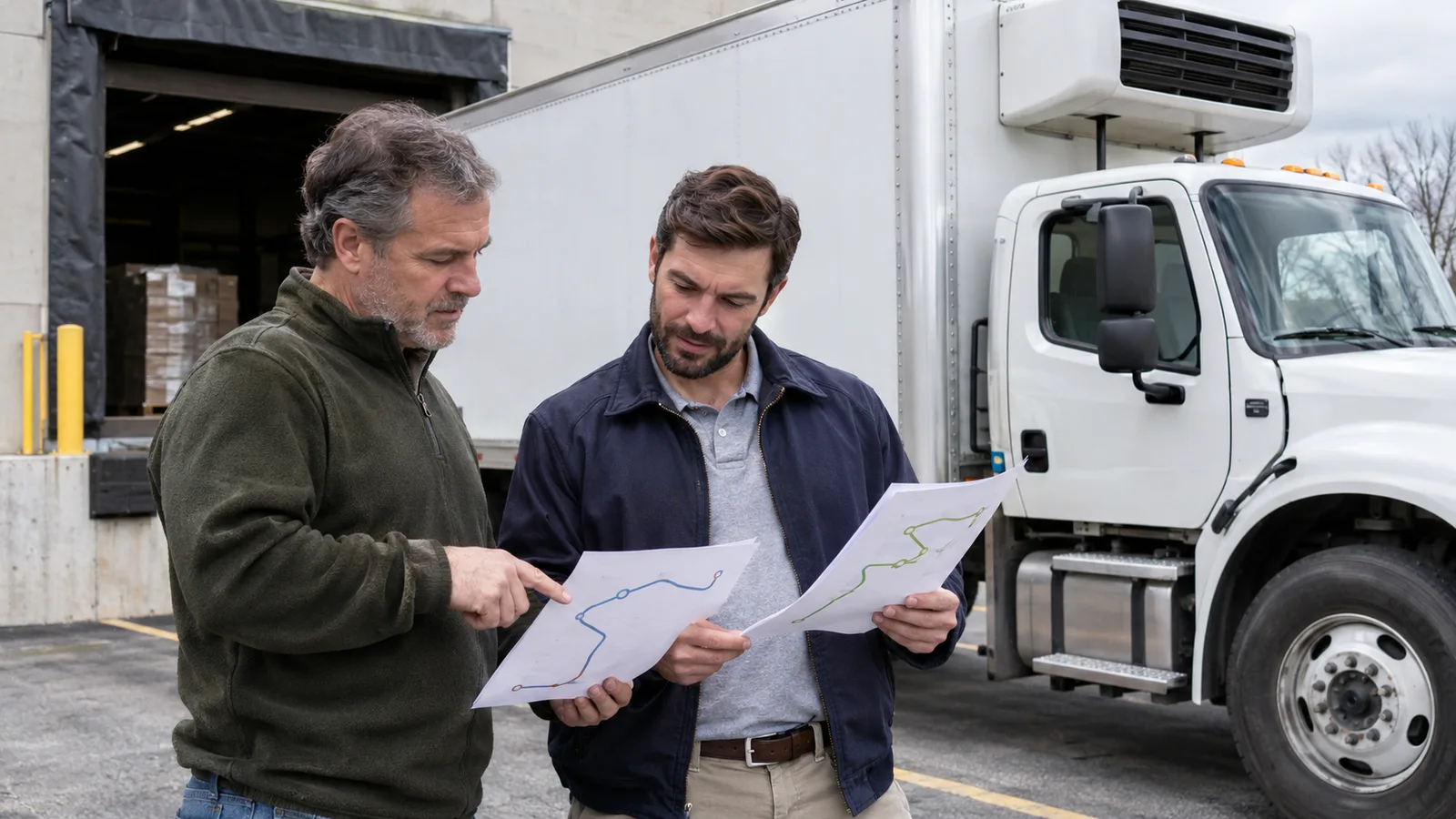
A truck that makes many stops in a small area earns more than one that drives far between customers. Buyers study stops per route and drop size, so keep delivery data by day.
Licenses and Food Safety Records
Distributors keep records for inspections and recalls. Buyers review them, so keep logs, permits and supplier certificates current and easy to find.
Getting Ready
Show margins by customer and by route, and make sure managers can run a week without you. Learn how a buyer uses financing, check the bulk sale clearance and then request a valuation.